

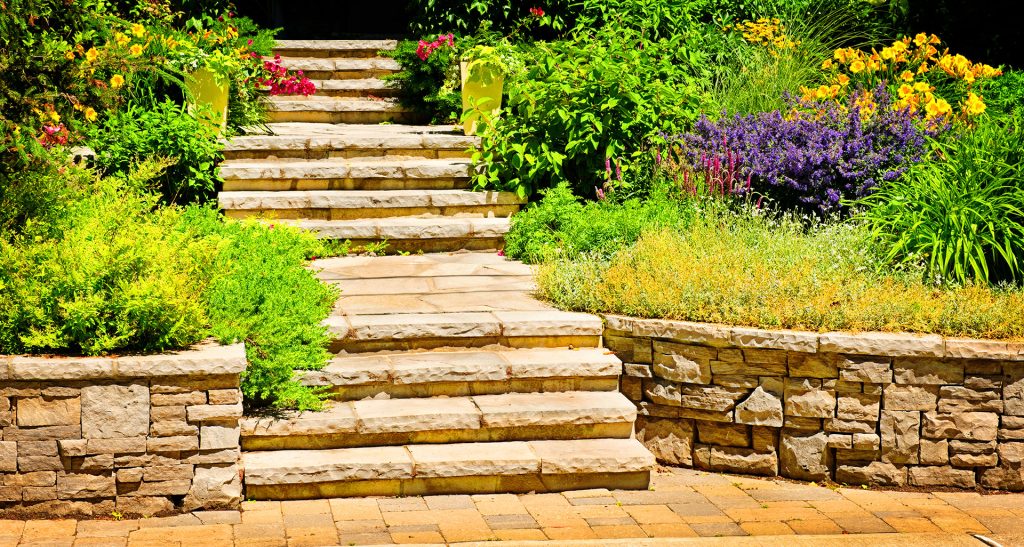
When your driveway meets a slope, the intersection between function and landscape design becomes critical. A retaining wall by driveway serves as more than just a structural necessity, it’s an opportunity to enhance curb appeal, prevent erosion, and create usable space where terrain challenges once existed. Whether you’re dealing with a steep grade change or simply looking to define your property’s entrance, understanding the nuances of driveway retaining walls can transform a problematic slope into an architectural asset.
Why Install a Retaining Wall by Driveway Areas
Driveways often traverse challenging topography, creating scenarios where soil retention becomes essential. Without proper support, the soil adjacent to your driveway can shift, erode, or collapse, leading to costly repairs and safety hazards.
A strategically placed retaining wall addresses multiple concerns simultaneously. It prevents soil erosion during heavy rains, protects your driveway’s foundation from lateral earth pressure, and creates level planting areas for landscaping. Additionally, these walls can redirect water flow away from your home’s foundation, serving as an integral part of your property’s drainage system.
Beyond practical benefits, retaining walls add dimensional interest to flat or sloping lots. They create visual boundaries that can make modest properties appear larger and more sophisticated, while providing opportunities for integrated lighting, seating, or decorative elements that welcome visitors to your home.
Critical Design Considerations for Driveway Retaining Walls
The unique demands of a retaining wall by driveway require careful planning beyond typical landscape walls. These structures must withstand not only soil pressure but also the vibrations and weight loads from vehicles passing nearby.
Height and Setback Requirements
Wall height determines both structural requirements and potential permit needs. Walls under four feet typically fall within DIY territory, while taller installations demand engineering expertise. The setback from your driveway edge proves equally crucial, maintaining at least 12 to 18 inches prevents vehicle damage and allows space for proper drainage installation.
Local building codes often specify minimum distances between retaining walls and property lines or structures. These regulations exist to ensure stability and prevent disputes with neighbors, making early consultation with local authorities essential for project success.
Load-Bearing Capacity
Driveway-adjacent walls face unique stresses from vehicle traffic. The soil behind your wall experiences additional pressure when cars park or turn nearby, requiring reinforced construction methods. Engineers calculate these surcharge loads to determine appropriate wall thickness, reinforcement needs, and foundation depth.
Heavy vehicles like delivery trucks or RVs multiply these concerns. If your driveway regularly accommodates such traffic, your retaining wall design must account for these maximum loads rather than everyday passenger vehicles.
Material Options That Balance Durability and Aesthetics
Selecting the right material for your retaining wall by driveway involves weighing factors like budget, maintenance requirements, and architectural harmony with your home. Each option brings distinct advantages and installation considerations.
Concrete Block Systems
Interlocking concrete blocks dominate the residential retaining wall market for good reason. These systems offer exceptional strength, relatively simple installation, and diverse aesthetic options. Modern blocks mimic natural stone textures while providing uniform dimensions that speed construction.
The modular nature of block systems allows for curves and corners that follow your driveway’s contours. Many systems include built-in drainage channels and connection systems that eliminate the need for mortar, making them ideal for experienced DIY enthusiasts tackling walls under three feet.
Natural Stone Walls
For properties where authenticity matters, natural stone creates timeless appeal. Fieldstone, limestone, or granite walls complement traditional architecture while aging gracefully over decades. However, natural stone demands skilled installation and typically costs more than manufactured alternatives.
Dry-stacked stone walls offer drainage advantages but require careful stone selection and placement for stability. Mortared stone walls provide greater structural integrity for taller installations but need proper foundation work and weep holes to manage water pressure.
Poured Concrete and Decorative Finishes
Cast-in-place concrete walls deliver maximum strength for challenging sites with poor soil conditions or extreme height requirements. While the initial appearance might seem utilitarian, modern finishing techniques transform plain concrete into architectural features. When considering surface treatments for your driveway and adjacent hardscaping, exploring options like stamped concrete versus traditional finishes can help you achieve a cohesive look that ties your retaining wall seamlessly into the overall design scheme of your property’s entrance.
Essential Drainage Systems for Long-Term Stability
Water remains the primary enemy of retaining walls, and those near driveways face additional runoff challenges. Proper drainage prevents hydrostatic pressure buildup that can cause wall failure, regardless of construction quality.
Key Drainage Components:
- Perforated drain pipe at the wall’s base, sloped for positive drainage
- Clean gravel backfill creating a drainage zone behind the wall
- Filter fabric preventing soil migration into the drainage aggregate
- Weep holes or drainage outlets every 4-6 feet for taller walls
- Surface grading that directs water away from the wall top
Driveway surfaces shed significant water during storms, making coordination between your wall’s drainage and driveway runoff management critical. Installing catch basins or channel drains along the driveway edge can intercept water before it reaches your retaining wall, extending its lifespan significantly.
Installation Process and Professional Considerations
Building a retaining wall by driveway requires methodical execution, whether you’re tackling it yourself or hiring professionals. Understanding the process helps set realistic expectations and identify when expert help becomes necessary.
Foundation Preparation
Every successful retaining wall starts below grade with a properly prepared foundation. Excavation depth depends on wall height and local frost lines, but typically extends 6-12 inches below ground level. The foundation trench must be wider than your wall blocks and perfectly level.
A compacted gravel base provides drainage and prevents settling. For driveway-adjacent walls, this base gains extra importance due to nearby traffic vibrations. Using a plate compactor ensures adequate density, while careful leveling of the first course determines the entire wall’s alignment.
When to Hire Professionals
Several scenarios warrant professional installation despite the added cost. Walls exceeding four feet typically require engineering and permits. Sites with poor drainage, expansive soils, or steep slopes demand expertise in soil mechanics and specialized construction techniques.
Professional contractors bring specialized equipment that speeds installation and ensures precision. They understand local building codes, secure necessary permits, and often provide warranties covering both materials and workmanship. For walls supporting driveways directly or those integrated with complex drainage systems, professional installation offers peace of mind worth the investment.
Incorporating Design Elements and Landscaping
A retaining wall by driveway presents unique opportunities to enhance your property’s entrance. Thoughtful design integration transforms utilitarian structures into welcoming architectural features.
Lighting Integration
Built-in lighting serves both aesthetic and safety functions along driveways. Low-voltage LED systems installed within wall caps or beneath coping stones create subtle uplighting effects. Motion-activated fixtures near driveway entrances improve security while highlighting your wall’s texture after dark.
Consider how lighting placement affects both pedestrian and vehicle navigation. Avoiding glare while providing adequate illumination requires careful fixture selection and positioning, particularly where walls create elevation changes near parking areas.
Planting Opportunities
Retaining walls create planting terraces that soften hard edges and add seasonal interest. Selecting appropriate plants involves considering sun exposure, drainage patterns, and maintenance access. Drought-tolerant perennials and ornamental grasses typically thrive in the well-drained conditions above retaining walls.
Trailing plants cascading over wall faces create living curtains that blend structure with landscape. However, avoid species with aggressive root systems that might compromise wall stability, and maintain adequate spacing for mature plant growth.
Maintenance Strategies for Longevity
Regular maintenance preserves both function and appearance of your retaining wall by driveway. Establishing routine inspection and care habits prevents minor issues from becoming major repairs.
Annual inspections should check for signs of movement, including tilting, bulging, or separation between blocks. Cracks in concrete walls or loose stones require immediate attention before water infiltration causes further damage. Monitoring drainage performance during heavy rains reveals whether systems need cleaning or modification.
Keep vegetation under control to prevent root damage while maintaining the planted areas that enhance your wall’s appearance. Remove snow and ice carefully to avoid impact damage, and address any driveway settling that might affect adjacent wall sections. Resealing concrete surfaces every few years protects against moisture penetration and maintains appearance.
A well-designed retaining wall by driveway solves practical challenges while enhancing your property’s curb appeal and functionality. Whether you’re managing a slight grade change or conquering a dramatic slope, understanding materials, drainage requirements, and installation best practices ensures your investment delivers lasting value. By balancing structural necessities with aesthetic opportunities, your driveway retaining wall becomes more than mere infrastructure, it transforms into a defining landscape feature that welcomes visitors while protecting your property for decades to come.